
No products in the cart.
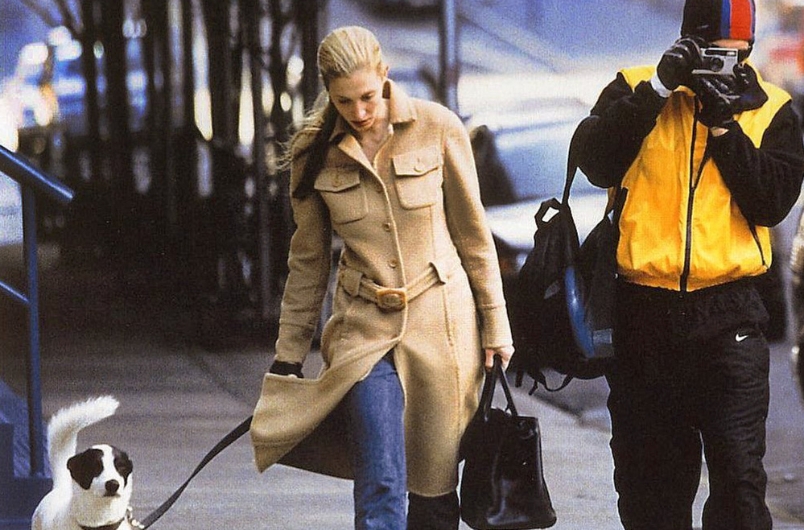
What Carolyn Bessette-Kennedy Taught Us About Being a Woman — Without Ever Saying a Word
She never gave an interview. Never explained herself. Never softened her edges for the cameras that followed her everywhere.
And yet, thirty years later, we can’t stop watching her.
The Ryan Murphy series brought her back — younger than most of us realized, more complicated than the mythology allowed — and something about it cracked open a conversation that women have been having quietly for a long time. About what it costs to be a certain kind of woman. About what happens when you refuse to perform.
Here is what we learned.
She went from being Carolyn Bessette — sharp, self-made, respected in her field — to being Kennedy’s wife. And the world expected her to be grateful for the reduction.
We’ve been sold the wrong story for a long time. The story that attraction is about appearance. That being chosen is about being beautiful enough, thin enough, put-together enough. That if you just optimized your outside enough, the inside would follow.
But here’s what no one tells you: men don’t primarily respond to how you look. They respond to how you feel about yourself. And more precisely, to the quality of energy you’re living in when you’re around them.
This isn’t spiritual fluff. This is observation. Watch the women in any room who draw people in effortlessly. Rarely are they the most conventionally beautiful. But there is something about them. Something that pulls.
She understood something about style that most people never figure out
Carolyn didn’t dress to be looked at. She dressed to feel like herself. There’s a difference, and you can see it in every photograph. The slip dresses, the minimalism, the way she moved in clothes like they were an extension of her body rather than armor she’d put on for the occasion.
She stripped everything back until what remained was just her.
Most women spend their entire lives adding — more effort, more colour, more signal. Carolyn did the opposite. And the result was that you couldn’t take your eyes off her.
Less is not a trend. It is a philosophy. And she lived it.
Privacy is not the same as hiding
The press called her cold. Difficult. Mysterious. What she actually was, was private.
She understood that not everything needs to be shared. That a woman who keeps something for herself is not withholding — she is protecting the only thing that is truly hers in a world that wants to consume her entirely.
We live now in a culture that mistakes visibility for value. That tells women their worth is proportional to how much of themselves they offer up. Carolyn refused that equation. She kept her interior life interior. And it drove people absolutely mad.
That madness was information.
Being chosen by the most wanted man in the world didn't save her. It complicated her.
This is the part the series gets right, and the part that hits hardest.
John was everything the world said a woman should want. Handsome, powerful, beloved, carrying the most mythologized name in American history. And Carolyn loved him — genuinely, messily, completely.
But love was not enough to protect her from what came with him. The scrutiny. The loss of her own identity inside his. The way a woman can disappear inside a great love story and everyone applauds while it happens.
She went from being Carolyn Bessette — sharp, self-made, respected in her field — to being Kennedy’s wife. And the world expected her to be grateful for the reduction.
She wasn’t. And they punished her for it.
She never learned to perform for an audience she hadn't chosen
The paparazzi, the public, the Kennedy machine — none of them were her people. And she never pretended they were. She didn’t arrange her face into palatability. She didn’t give them the warmth they felt entitled to.
Women are taught from the time we are small that our likability is a form of safety. Smile. Be approachable. Make people comfortable. Carolyn didn’t do any of that on demand, and it made her one of the most talked-about women of her generation.
There is a lesson buried in that hostility. The women who refuse to manage other people’s comfort become the women that history cannot stop discussing.
She was a woman who needed space that her life couldn't give her
This is the grief at the centre of the whole story.
Carolyn was not built for a gilded cage, no matter how beautiful the gilding. She needed room to be contradictory, difficult, private, free. And the life she’d walked into — with its Secret Service details and its Kennedy expectations and its cameras on every corner — gave her none of that.
She didn’t fail the life. The life failed her.
What she leaves us with
Watching her — even through the lens of a drama, even through an actress interpreting what those private moments might have looked like — feels like watching a woman you recognize.
The woman who is more than the role she’s been handed. Who refuses, quietly or loudly, to become only what someone else’s world needs her to be. Who keeps some essential part of herself locked away not out of coldness but out of self-preservation.
We keep coming back to Carolyn Bessette-Kennedy because she is the question we’re all still answering.
How much of yourself do you give away before there’s nothing left?
She didn’t give us the answer. But she gave us the courage to ask.
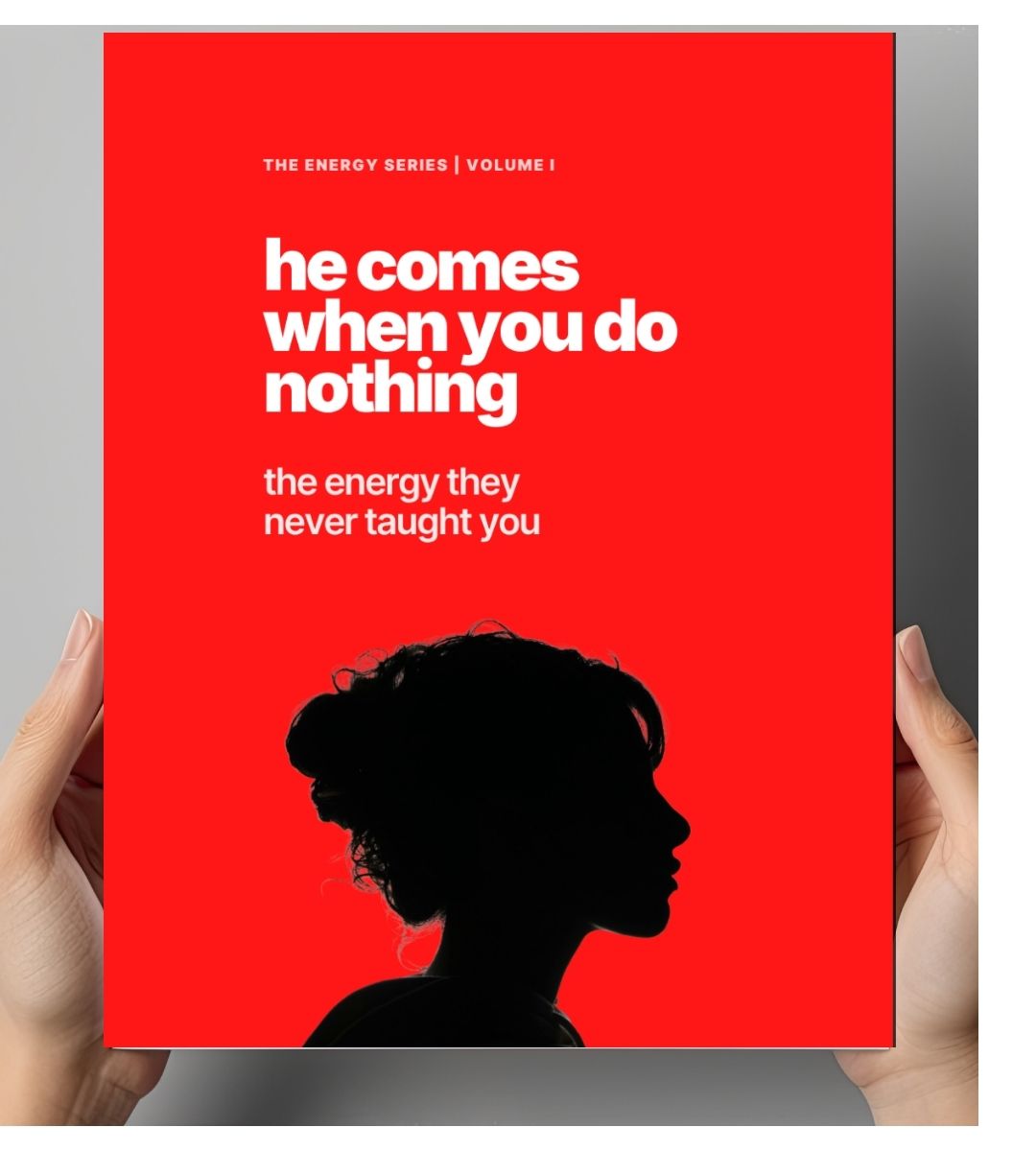
He comes when you do nothing
This is a method—not motivation. It is built to rewire your presence, not just inspire your mind.
The energy they never taught you. Thousands of women have already shifted. They never chased again. They became the most desired women in the room. Now it’s your turn.
“The most powerful shifts are often the simplest ones.”
Instant Download · Secure Checkout · Private Access
He comes when you do nothing
This is a method—not motivation. It is built to rewire your presence, not just inspire your mind.
The energy they never taught you. Thousands of women have already shifted. They never chased again. They became the most desired women in the room. Now it’s your turn.
“The most powerful shifts are often the simplest ones.”