
No products in the cart.

What We Lost When We Stopped Being Mysterious
There is something that used to exist in women that the world found completely irresistible. Not beauty. Not confidence. Not wit, though all of those things played their part.
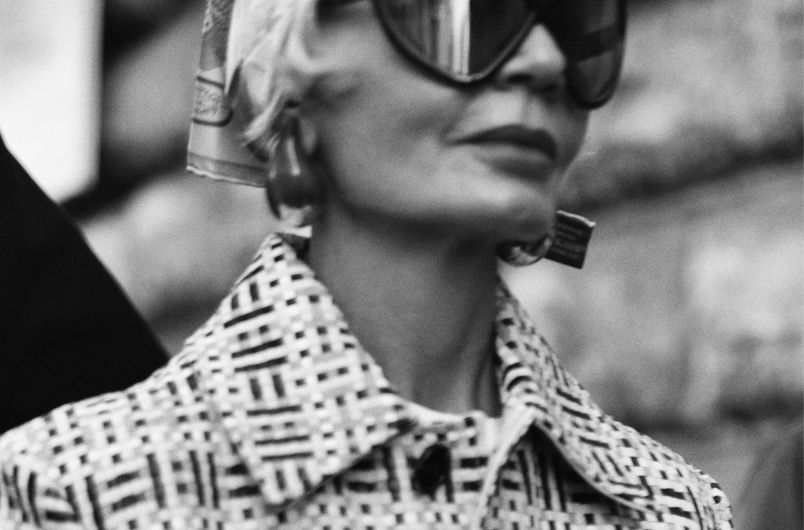
It was the sense that you couldn’t quite reach her.
That no matter how much time you spent with her, how many conversations you had, how closely you watched — there was always more. A depth that hadn’t been offered up yet. A room inside her that remained, quietly and deliberately, closed.
We called it mystery. And we gave it away ourselves.
The most magnetic thing a woman can be right now is the one who still has something you can’t quite reach. Not because she’s hiding. Because she knows what’s worth keeping.
How it happened
Not all at once. That’s the thing about losing something slowly — you don’t notice until it’s gone.
It started with the logic of connection. Share more, connect more. Be real, be relatable, let people in. And there was truth in that. There is always some truth in the beginning of a bad habit.
But somewhere between the first honest post and the ten-thousandth caption, something shifted. Sharing stopped being an act of genuine openness and became a reflex. A compulsion. A way of filling silence before silence could feel like absence.
We stopped sharing because we had something to say. We started sharing because we were afraid of what it meant if we didn’t.
And the mystery — that quality of depth, of interiority, of there being more to us than what’s visible — quietly packed its bags and left.
But here’s what no one tells you: men don’t primarily respond to how you look. They respond to how you feel about yourself. And more precisely, to the quality of energy you’re living in when you’re around them.
This isn’t spiritual fluff. This is observation. Watch the women in any room who draw people in effortlessly. Rarely are they the most conventionally beautiful. But there is something about them. Something that pulls.
What mystery actually was
It was never a game. That’s the first thing to understand.
The women who had it weren’t withholding as strategy. They weren’t following rules about how much to reveal or timing their disclosures for maximum effect. They were simply women who believed that their interior life belonged to them. That not every thought needed an audience. That the space between who they were and what the world got to see was not a gap to be closed — it was where they actually lived.
That space is what we’ve surrendered.
We now exist in a culture that has reframed total transparency as virtue. Vulnerability as currency. Oversharing as authenticity. And in the process of performing our realness for an audience, we hollowed out the very thing that made us interesting.
You cannot be mysterious and fully legible at the same time. You have to choose.
What oversharing actually costs
No one tells you this part.
They tell you to share your story. To show up. To let people in. And there is real human truth in that — connection requires openness and there is nothing wrong with openness.
But there is a version of sharing that isn’t connection. It’s preemption. Getting to yourself before anyone else can. Naming your flaws before they’re noticed. Broadcasting your wounds before they’re discovered. Filling every silence with disclosure so that no one ever has the discomfort — or the pleasure — of wondering about you.
That is not vulnerability. That is anxiety in a very convincing costume.
And what it destroys, quietly and completely, is depth. Not the shallow kind of allure — not tactics or games. The deeper kind. The sense that there is more to you than what’s visible. That knowing you is something that unfolds over time, not a profile to be scrolled in thirty seconds and forgotten.
The version of a woman the internet created
Think about what we actually know about the women we follow online.
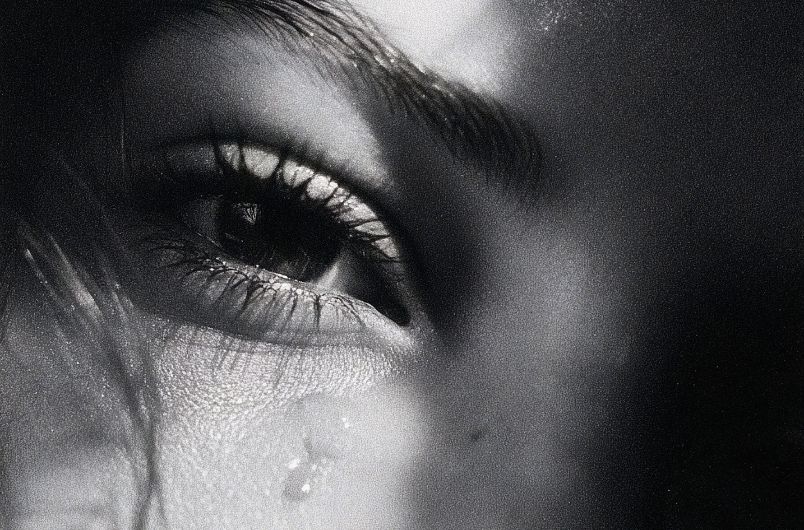
We know their morning routines. Their relationship struggles. Their childhood wounds. Their opinions on everything. We know what they look like crying. We know their therapist’s framework and their attachment style and the argument they had with their mother last Tuesday.
And somehow, knowing all of it, we feel less connected to them than we do to women from another era who never said a word into a microphone.
That is not a coincidence.
Mystery creates gravity. Total visibility creates familiarity. And familiarity is not the same thing as intimacy. It just feels like it for a moment — and then it doesn’t, and you’re already scrolling to the next one.
The woman who kept something for herself
Think of the women in your own life who have stayed interesting to you across years. Really think about them.
They are almost never the ones who told you everything immediately. Who had no filter, no interior, no sense of their own privacy. They are the ones who surprised you. Who you kept discovering. Who had opinions you hadn’t anticipated and depths you hadn’t reached and a life that existed fully outside of what they shared with you.
That quality — of being a complete person who is only partly visible — is what makes someone worth knowing for a long time.
We’ve been taught that the goal is to be fully known. To find someone who sees all of you and loves all of it. And yes — in the right relationship, with the right person, over real time, that matters.
But you cannot be fully known by an audience of strangers. And trying to be doesn’t make you more real. It makes you smaller. It reduces you, slowly and voluntarily, to content.
What we can take back
You don’t have to disappear. That’s not the point.
The point is the relationship you have with your own interior life. Whether you still have one. Whether you’ve kept something — some room in yourself — that isn’t curated, isn’t shared, isn’t performed for anyone.
A thought you haven’t posted. A feeling you haven’t captioned. An opinion you hold privately and completely, with no interest in whether it would land well.
Start there. Reclaim that room.
Because the most magnetic thing a woman can be right now — in this era of radical visibility, of everything offered up, of lives lived almost entirely in public — is the one who still has something you can’t quite reach.
Not because she’s hiding. Because she knows what’s worth keeping.
And she kept it.

He comes when you do nothing
This is a method—not motivation. It is built to rewire your presence, not just inspire your mind.
The energy they never taught you. Thousands of women have already shifted. They never chased again. They became the most desired women in the room. Now it’s your turn.
“The most powerful shifts are often the simplest ones.”
Instant Download · Secure Checkout · Private Access
He comes when you do nothing
This is a method—not motivation. It is built to rewire your presence, not just inspire your mind.
The energy they never taught you. Thousands of women have already shifted. They never chased again. They became the most desired women in the room. Now it’s your turn.
“The most powerful shifts are often the simplest ones.”